

In recent years, there has been a growing awareness of environmental issues and a corresponding shift towards more sustainable living practices. This trend is evident in various aspects of life, including the way we clean our homes. In Singapore, where urban living is prevalent and space can be limited, the demand for eco-friendly end-of-tenancy cleaning options has seen a significant rise.
End-of-tenancy cleaning is an essential service for tenants moving out of rented properties. It ensures that the property is left in pristine condition for the next occupant and helps tenants secure their deposit returns. Traditionally, such cleaning processes have relied heavily on chemical-based products that are effective but often harmful to both health and the environment. However, with increasing environmental consciousness among consumers, many companies in Singapore now offer eco-friendly alternatives that align with sustainable practices.
Eco-friendly cleaning services utilize products made from natural ingredients that are biodegradable and non-toxic. These products minimize air and water pollution while ensuring a safe environment for both cleaners and occupants. Essential oils like tea tree or eucalyptus are often used due to their natural antibacterial properties, providing an effective clean without compromising health standards.
Moreover, these green cleaning services emphasize waste reduction by using reusable microfiber https://www.penielcleaning.com.sg/end-of-tenancy-cleaning/ cloths instead of disposable wipes or paper towels. Microfiber materials not only reduce waste but also enhance cleaning efficiency by trapping dirt more effectively than conventional materials.
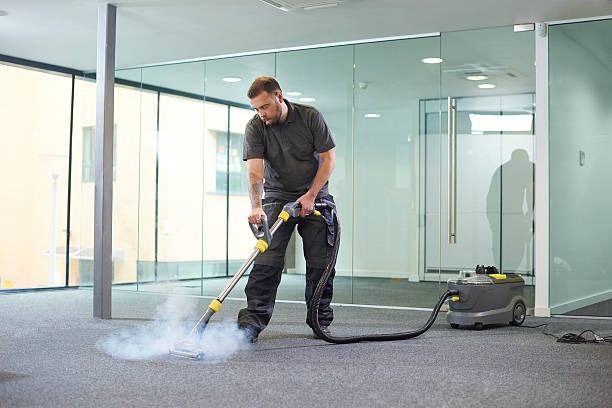
Another aspect of eco-friendly end-of-tenancy cleaning involves energy-efficient practices. Companies may use vacuum cleaners with HEPA filters to improve indoor air quality by capturing fine dust particles without excessive power consumption. Additionally, some service providers employ steam cleaning techniques which utilize high-temperature steam to disinfect surfaces naturally without relying on harsh chemicals.
The benefits of opting for eco-friendly end-of-tenancy cleaning extend beyond just being environmentally responsible; they also contribute positively to personal well-being. Tenants who choose such services can avoid exposure to toxic residues commonly found in traditional cleaning agents—residues that can cause allergies or respiratory issues over time.
Furthermore, as landlords become increasingly aware of sustainability trends themselves, choosing an environmentally conscious cleaner could enhance tenant-landlord relationships by demonstrating responsibility towards shared values concerning ecological impact.
In conclusion, Singapore’s move towards eco-friendly end-of-tenancy solutions reflects broader global shifts toward sustainability across all sectors—including housing rentals—and presents numerous advantages ranging from healthier living spaces to reduced ecological footprints during transitions between tenancies. As this trend continues gaining momentum within urban environments worldwide—not just locally—it becomes clear how small individual choices collectively drive meaningful change toward greener futures everywhere we call home.